

OCTOBER IWMF Torch Highlights: New CEO,
Research Updates, and Global Support
Read the IWMF Torch, our magazine, covers the latest information on Waldenstrom’s macroglobulinemia education, research activities, and treatments.
Browse our regular features including articles written especially for the IWMF Torch by WM specialists and researchers at major cancer institutions and a summary of the very latest in WM medical research taking place all over the world.
Learn more about activities of the IWMF, from fundraising projects to the engrossing topics on IWMF Connect to the social activities of support groups. Discover articles and activities from our global WM community, including country-specific WM information.
A New CEO for IWMF
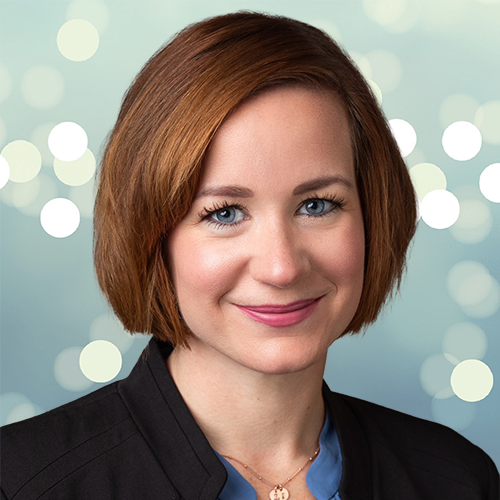
The International Waldenstrom’s Macroglobulinemia Foundation (IWMF) has a new leader. Delora Senft became President and CEO in August 2025.
Delora has years of experience working with cancer groups and raising money for research. Her connection is personal—her brother passed away from cancer. She says her goal is to bring more hope and resources to patients and families living with WM.
Read more in the Torch newsletter.
Gene Changes and WM: TP53
Doctors and researchers are learning more about a gene called TP53. This gene usually helps protect the body from cancer.
In WM, TP53 can change (mutate), making the disease harder to treat. These changes don’t often appear early, but they can show up later when the disease returns.
One patient’s story in the newsletter showed that even with a TP53 mutation, treatment with zanubrutinib, a BTK inhibitor, worked for a while. This shows the importance of genetic testing and trying new treatments through clinical trials.
Details are in the Torch newsletter.
WM Medical News Roundup
Several important updates are highlighted this quarter:
- Zanubrutinib tablets approved: Patients can now take two tablets instead of four capsules each day.
- Treatment guidelines updated: The NCCN adjusted its official WM treatment recommendations.
- Approval in India: Zanubrutinib became the first BTK inhibitor approved for WM there.
- New drug in testing: iopofosine I-131 got a special US FDA Breakthrough Designation to speed up development. It showed promise in patients with different genetic types of WM.
- Other trials: Early results from drugs like sonrotoclax and bexobrutideg are giving patients new hope for the future.
More details in the Medical News section.
Global Outreach Expands
The IWMF is working hard to reach patients around the world.
Bob Perry, a new trustee, is helping build more support groups outside the U.S. Recent meetings included patients in the Netherlands and South Africa. Plans are underway to add new groups in China, Russia, and other countries.
Another highlight: Andrew Warden, a WM advocate from Australia, received a national honor for his leadership. He helped create WhiMSICAL, an international WM patient database that improves access to research.
Read about IWMF’s global work in the Torch newsletter.
What This Means for Patients
This issue of IWMF Torch shows how IWMF is moving forward on three key areas:
- Leadership – A new CEO focused on patients and research.
- Science – Better understanding of WM genetics and new drugs in testing.
- Global Reach – More support for patients across the world.
The message is clear: with IWMF, no one with WM is ever alone.